The Tent That Actually Fits Your Trip — Why One Category Isn't Enough
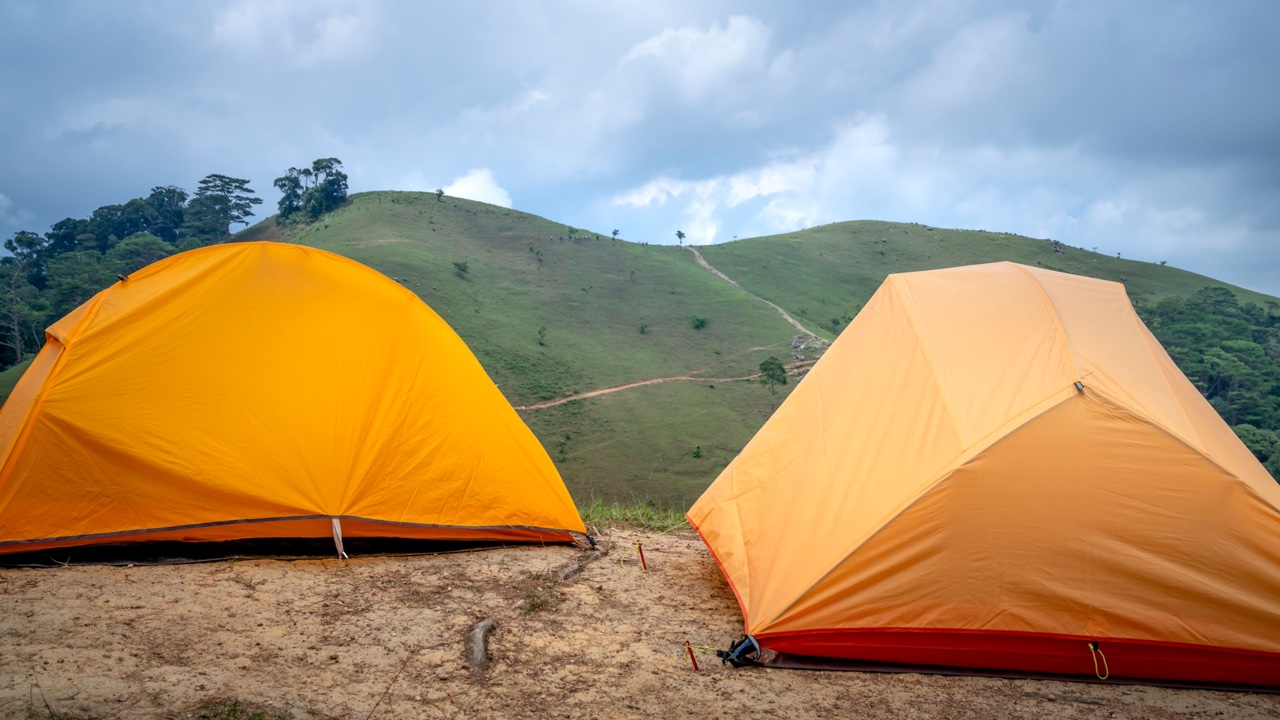
There’s a tent sitting in a lot of garages right now that its owner mostly doesn’t use. It was bought with good intentions — big enough for the family, reasonably priced, fine reviews online — but it turns out to be too heavy for the hiking trips and too cramped for the car camping weekends where there’s actual room to set up something bigger. It occupies a middle ground that serves neither situation especially well.
This is the “one tent for everything” trap. It sounds efficient until you try to actually use the tent for everything, at which point the compromises start to show.
Why Trip Type Determines What You Actually Need
The core issue is that different outdoor situations put fundamentally different demands on a tent, and those demands don’t always overlap.
A solo backpacking trip rewards a shelter that weighs under two kilograms, packs small enough to fit inside a standard hiking pack without dominating it, and pitches fast at the end of a long day on the trail. The tradeoffs that come with that — minimal interior space, fewer features, less headroom — don’t matter because you’re mostly sleeping in the tent rather than spending time in it during bad weather.
A weekend car camping trip with kids rewards almost the opposite. Weight doesn’t matter because the tent goes from the trunk directly to the campsite. Interior volume matters a lot: enough floor space for sleeping pads that don’t overlap, enough headroom to sit upright and change clothes without a struggle, a layout with a vestibule or room divider that gives adults some space of their own after the kids are asleep. A tent that weighs six kilograms but has a full standing-height center is genuinely useful. The same tent on a backpacking trail would be left in the car after the first trip.
A beach shelter is a different category again. A standard camping tent at a beach sets up on sand, which anchors stakes poorly, and sits in direct sun, which turns a tent into an oven within minutes. A purpose-designed beach tent — open-sided or with mesh panels, UV-resistant fabric, sand pockets for anchoring — solves problems that a standard three-season tent wasn’t designed to address. Using a regular tent at the beach isn’t wrong, but it means giving up features that would make the day significantly more comfortable.
Fishing and hunting shelters operate in their own category. They’re often used in weather that recreational campers would sit out: pre-dawn setups in the cold, extended stays through rain, locations with no designated camping infrastructure. These shelters prioritize fast setup, wind stability, and the ability to function well in poor conditions over weight savings or aesthetics. A shelter that works on a sunny weekend camping trip and a layout blind in a November rainstorm are solving different problems.
The Specific Compromises You Run Into
When people try to use a single tent for every situation, the failure modes tend to follow predictable patterns.
Too heavy for the hike, too small for the camp. A family-sized tent is usually ruled out for backpacking by weight alone. But a two-person backpacking tent, when used for car camping with two adults and a child, runs out of floor space quickly. The tent that’s a reasonable compromise is often bad at both.
Wrong ventilation for the climate. A tent designed for three-season temperate camping typically prioritizes ventilation — mesh inner walls, roof vents, good airflow. In a rainy Pacific Northwest summer, that’s excellent. On a cold night in the mountains or a windswept coastal beach trip, airflow becomes a liability rather than an asset. A tent designed for one climate profile doesn’t perform the same way in a different one.
Features you’re paying for and never using. A tent with an elaborate vestibule system and multiple gear pockets is a genuinely useful product for long-duration camping trips where organization matters. For a one-night car camp or a beach afternoon, those features don’t contribute anything and the extra cost and packed weight come with them anyway.
What a Better Approach Looks Like
People who camp frequently across different contexts tend to arrive at a similar solution: not one tent, but a small collection of purpose-specific shelters, each chosen for the situations where it’s actually used.
A lightweight one- or two-person shelter for backpacking trips, where every hundred grams matters and interior space is less important than packability. A larger family tent for car camping trips, where comfort, interior organization, and weather resistance outweigh the weight and pack size that matter on a trail. A pop-up or beach shelter for day trips and casual outdoor time, where fast setup and UV protection matter more than weather sealing.
This sounds like a lot of equipment, but the individual shelters at each category level often cost less than a single tent that’s trying to cover all three — and they perform better in their actual use case.
What This Means for Anyone Buying Tents at Volume
For retailers, hospitality operators, outdoor rental programs, or anyone sourcing tents for resale or organizational use, the category question matters as much as the spec question.
A campground that rents tents to guests needs different product than an outdoor education program that takes students on multi-day backpacking trips. A beach resort offering day-use shelters needs different product than a hunting outfitter equipping guided expeditions. The floor plan, weight, pole system, and fabric specs that make a tent excellent in one category make it mediocre or worse in another.
Working with a qualified tent manufacturer who produces across multiple tent categories — and can specify which design choices serve which use case — is more useful than sourcing from one that offers a generic all-purpose product and leaves the category matching to the buyer. The spec sheet for a beach shelter and a four-season mountaineering tent can both say “waterproof” and “lightweight”; knowing what those words mean in each context is what the manufacturer conversation is actually for.
The Practical Takeaway
If you camp once a year on a car camping trip with your family, one spacious, comfortable family tent is the right answer. The weight and pack size are irrelevant, and the floor space and headroom matter.
If you camp three or four times a year in genuinely different contexts — a trail trip, a weekend at a festival, a beach day, a cold-weather outing — the single tent approach will leave you making compromises on each one. The tent you buy to cover everything will be slightly wrong for most things it’s asked to do.
The better question isn’t “which tent should I get?” It’s “which tent should I get for this specific trip?” The category comes first. The spec sheet follows from there.